Автор: Conna Craig

  • How to Talk to Your Teen About Crushes and First Love

    Время на прочтение: 2 минут(ы)

    💌 Rule #1: Don’t Dismiss Their Feelings

    Saying things like “That’s just a phase,”“You’re too young for love,” or “This isn’t real” won’t help—at all.

    Be kind. Be present. Create a safe space where they feel heard. Because for them, it is real. Just like it was real for you when you were their age.

    📈 Rule #2: Don’t Overdo It

    Of course, you want the best for your child—that goes without saying. But in your eagerness to protect them, be careful not to overwhelm them.

    Right now, they’re stepping into the world of real emotions, some of them wonderful, some of them complicated. Learning how to navigate those feelings is a crucial part of growing up.

    Expert Tip. The key is to show you care without being too pushy. Don’t bombard them with questions, but don’t act indifferent either. Active listening is your best strategy. If they tell you about someone they like, respond with genuine curiosity: “What do they like to do after school? That sounds interesting! Tell me more!”

    🗣️ Rule #3: Share Your Own Experiences

    Teens love to roll their eyes at parents, but deep down, they also love knowing you were once a teenager too. Sharing your own stories—what you felt, what you went through—can help them feel understood.

    Expert Tip. Hearing about love from both parents (or different perspectives) helps kids form a more well-rounded, realistic view of relationships. Even if your experiences are different from theirs, they’ll appreciate the honesty.

    🚩 Rule #4: Talk About Boundaries and Safety

    Conversations about intimacy don’t have to be awkward, scary, or loaded with outdated clichés. A real, open dialogue lays the groundwork for trust—so that when tough, uncomfortable topics come up, they know they can turn to you.

    Expert Tip. Teens need to understand healthy boundaries—both their own and others’. In any relationship (romantic or not), they should never feel pressured to do something they’re uncomfortable with, and they should never pressure anyone else.

    If something feels wrong, they should know it’s okay (and necessary!) to say so. It doesn’t matter if it’s about a first kiss or something more serious—teens with a strong sense of boundaries and body awareness are far less likely to agree to things they’re not ready for.

    ❤️‍🩹 Rule #5: Don’t Be Afraid of Heartbreak

    Teen emotions are big—sometimes overwhelming, sometimes all-consuming. They’re not being dramatic on purpose; their brains are still developing emotional regulation skills. No amount of “Oh, you’ll get over it” will change that.

    But growing up means learning that things don’t always go as planned. Be there. Offer support. But also give them the space they need to process their feelings in a healthy way.

    Expert Tip. Not everything in life needs to be fixed—sometimes, it just needs to be felt.

    Part of growing up is realizing that loss is real, loneliness is real, and heartbreak is real—but so is resilience. And sometimes, the only way to heal is to let yourself grieve.


  • The Teenage Boy: A Guide for Parents

    Время на прочтение: 2 минут(ы)

    Adolescence is a time of intense change for boys—both physically and emotionally. Your son is trying to navigate this new phase of life and, as a parent, your role is to support him along the way.

    ⏰ When Does Puberty Start?

    Puberty in boys typically begins around age 12, though the timing varies. Growth accelerates, hormones surge, and suddenly, your child feels like a completely different person.

    📏 What’s Happening to His Body?

    Everything is changing—from his height to his voice. Muscles develop, and his strength increases. His sexual organs develop. Most importantly, he realizes that his body is no longer that of a child—he is growing into a man.

    What can parents do?

    • Be open about these changes. If your son asks questions, answer them honestly, even if doing so feels awkward.
    • Normalize hormonal shifts—let him know his reactions and emotions are a natural part of growing up.

    🧬 Hormonal Changes

    Testosterone production is in overdrive during puberty, fueling physical development but also influencing emotions, aggression, excitement, and sometimes anxiety.

    What can parents do?

    • Acknowledge his emotions and explain that mood changes are a normal part of this stage of growing up.
    • Encourage healthy outlets for stress—creative activities, exercise, team sports, or spending time with friends and family.

    🪞 Developing Self-Worth

    Teen boys become more aware of their physical appearance and strength, which play a big role in shaping their self-esteem. Many channel their energy into sports or other competitive activities and may even engage in risky behavior to impress their peers.

    What can parents do?

    • Praise real accomplishments rather than attention-seeking stunts.
    • Give him space to explore his style and interests.
    • Avoid criticizing his looks or hobbies, even if they’re different from your expectations.

    🤯 Emotional Instability

    Along with all these changes, your son might be easily angered one moment and withdrawn the next.

    What can parents do?

    • Be patient and show that you are there for him, even if he doesn’t open up right away.
    • Encourage him to talk about his feelings rather than bottle them up or express them through aggression.

    💪Independence & Decision-Making

    As boys search for their own path, they begin to assert their independence. This is also when they may experiment with risky behaviors—skipping school, trying alcohol or smoking, or challenging authority.

    What can parents do?

    • Set clear but fair boundaries—overreacting to minor acts of rebellion can push him further away.
    • Talk openly about the consequences (physical and social) of unhealthy habits and empower him to make responsible choices.

    👨‍👩‍👦 Parent-Child Relationships

    Tension between teenage boys and their parents—especially fathers—is common. Your son wants to prove his independence, but he still needs your support.

    What can parents do?

    • Foster open conversations without excessive criticism or blame.
    • Avoid lecturing or harsh judgment—this can make him shut down emotionally.
    • Lead by example in communication and conflict resolution.

    🧑‍🤝‍🧑 Friendships & Romantic Relationships

    Teen boys seek validation from peer groups and often experience their first crushes or relationships.

    What can parents do?

    • Teach him to respect different perspectives, even when he disagrees.
    • Emphasize honesty and responsibility in friendships and dating.
    • Discuss healthy relationships, personal boundaries, and emotional maturity.

    Adolescence can be a turbulent time, but with understanding, patience, and communication, you can help your son grow into a confident and responsible young man.

    References:

    1. Teenage Boys. Psychology Today
    2. How to be a good parent to teenagers—the expert’s guide. The Times
  • The Teenage Girl: A Guide for Parents

    Время на прочтение: 2 минут(ы)

    The teenage years start earlier for girls than for boys and bring a wave of physiological, psychological, and social changes.

    📏 Physical Changes

    Menarche

    A milestone in a girl’s puberty is the onset of menstruation. This typically occurs between ages 10 and 15 and signals the beginning of a girl’s reproductive function.

    👉 What can parents do?

    • Help your daughter understand that what she is experiencing is normal and natural.
    • Provide clear, age-appropriate information about the menstrual cycle and period-related hygiene.
    • Reassure her that periods are a normal part of growing up.

    Body Development & Hormonal Changes

    As puberty progresses, a girl’s body starts changing—breasts develop, hips and abdomen become rounder.

    The key hormones driving these changes are:

    • Estrogen, which promotes the development of secondary sexual characteristics.
    • Progesterone, which plays a vital role in regulating menstruation and reproductive health.

    👉 What can parents do?

    • Avoid making negative comments about her appearance—this is a vulnerable time.
    • Encourage self-care habits, such as physical activity and dressing in ways that make her feel comfortable.

    🤯 Psychological Changes

    Emotional Swings

    Hormonal shifts often cause mood swings—one moment, she’s laughing, the next, she’s in tears.

    • Your daughter may experience heightened emotions about school performance, social situations, and friendships.
    • Anxiety over class presentations or peer relationships is common.

    👉 What can parents do?

    • Listen without judgment—let her know her feelings matter.
    • Support her through emotional challenges without rushing to fix everything for her.
    • Teach healthy ways to express emotions—through art, exercise, and talking with safe and trusted friends and family.

    Self-Perception

    During these years, girls explore femininity, develop self-esteem, and experiment with their style.

    👉 What can parents do?

    • Encourage self-expression through fashion and personal choices.
    • Avoid criticizing her style—even if it’s not your taste. Instead, guide her toward safe and appropriate choices.
    • Talk about self-worth beyond looks—help her see the value in her personality, interests, and talents.

    Desire for Independence & Forming Opinions

    As they reach their teen years, girls start shaping their own views and seeking more independence in decision-making.

    👉 What can parents do?

    • Support her independence rather than suppressing it—help her develop critical thinking skills.
    • Engage her in discussions and respect her opinion on family matters.
    • Teach her how to make informed decisions and take responsibility for them.

    👩🏻‍🤝‍👩🏼 Social Changes

    Parent-Child Relationships

    The push for independence often leads to conflicts with parents, especially with mothers, who can become either a source of support or a trigger for emotional struggles.

    👉 What can parents do?

    • Keep communication open. Talk about more than just rules and responsibilities.
    • Avoid blame or criticism, even when she makes mistakes.
    • Show interest in her life. Ask questions and listen to her opinions.

    Friendships & Romantic Interests

    During adolescence, friendships become deeply significant, and interest in romantic relationships may start to emerge.

    👉 What can parents do?

    • Teach your daughter how to build healthy relationships based on mutual respect and trust.
    • Discuss the importance of boundaries and consent.
    • Help her navigate friendship conflicts and disappointments.
    • Explain how to balance relationships with personal goals.

    These years can be intense, but with support, guidance, and respect, parents can help their daughters navigate this stage with confidence and self-assurance.

    References:

    1. Teenage girls: six ways to help your anxious daughter. The Times
    2. How Tweens, Preteens, and Teens Differ: A Parent’s Guide. Parents.com
  • Teen Years: What Parents Should Know

    Время на прочтение: 3 минут(ы)

    Adolescence is a time of major changes and a real test for kids and their parents. How can you be there for your child instead of ending up on opposite sides?

    When Does Adolescence Start?

    The teenage years aren’t just about physical growth—they mark the transition from childhood to adulthood, with all the emotional and social changes that come with it.

    Kids today enter adolescence earlier than previous generations—around 10–11 years old. They don’t fully transition into adulthood until much later, often closer to 18–19 years old.

    Even if your child looks like an adult, true independence takes time. The main goal of this period is for teenagers to figure out who they are, where they fit in the world, and how to become independent from their parents.

    Adolescence can be divided into two key stages:

    • Early Adolescence (10–12 years old). Kids start to feel grown up, but their emotions are unpredictable, changing like the weather. Their reactions can be difficult to anticipate.
    • Late Adolescence (13–18/19 years old). Hormonal changes peak, and teens begin their transition to emotional and psychological maturity.

    During this time, teenagers may become irritable, withdrawn, or even aggressive. Without realizing it, they often rebel. It’s all part of the process, and parental patience is essential

    What’s Happening to Your Teen

    Prostock-studio/Shutterstock.com
    • Rapid growth and physical changes. These transformations are natural, but they don’t always feel comfortable. It’s common for teens to feel self-conscious and insecure about their appearance.
    • Uncertainty. They crave independence but may doubt their own abilities and fear losing their family’s support.
    • Mood swings. Hormones do their thing—one moment, a teen is excited, the next, completely indifferent. Sometimes, it’s both at the same time.
    • Shifting role models. Teens start questioning traditional authority figures (parents, teachers) and looking for new ones.
    • Finding their identity. They become more aware of their individuality and want to stand out. They seek their place among peers, sometimes dealing with bullying, friendship drama, and their first serious relationships.

    Instead of feeling supported by their parents, teens often experience excessive control and criticism. Don’t fall into that trap!

    How to Help Your Teen Navigate Adolescence

    Prostock-studio/Shutterstock.com
    • Support and explain. Help your teen understand and accept bodily changes.
    • Talk about their worries. If your son or daughter is struggling with school or friendships, don’t dismiss concerns, no matter how minor they seem.
    • Have open conversations. Regularly discuss critical topics like relationships, sex, alcohol, and drugs.
    • Avoid comparisons. This only makes teens feel misunderstood.
    • Build a trusting environment. Encourage open communication so your teen knows you will always be there to provide help and support
    • Give them freedom while teaching responsibility. Let your teen make decisions while being aware of the consequences.

    Most importantly, listen. Demonstrate to your teen that he or she can come to you with any question or problem. This provides a safe and secure emotional space for your ever-evolving teen.

    References:

    1. How to be a good parent to teenagers—the expert’s guide.The Times
    2. How Tweens, Preteens, and Teens Differ: A Parent’s Guide. Parents.com
  • Inside Roblox: How to Keep It Safe for Children

    Время на прочтение: 3 минут(ы)

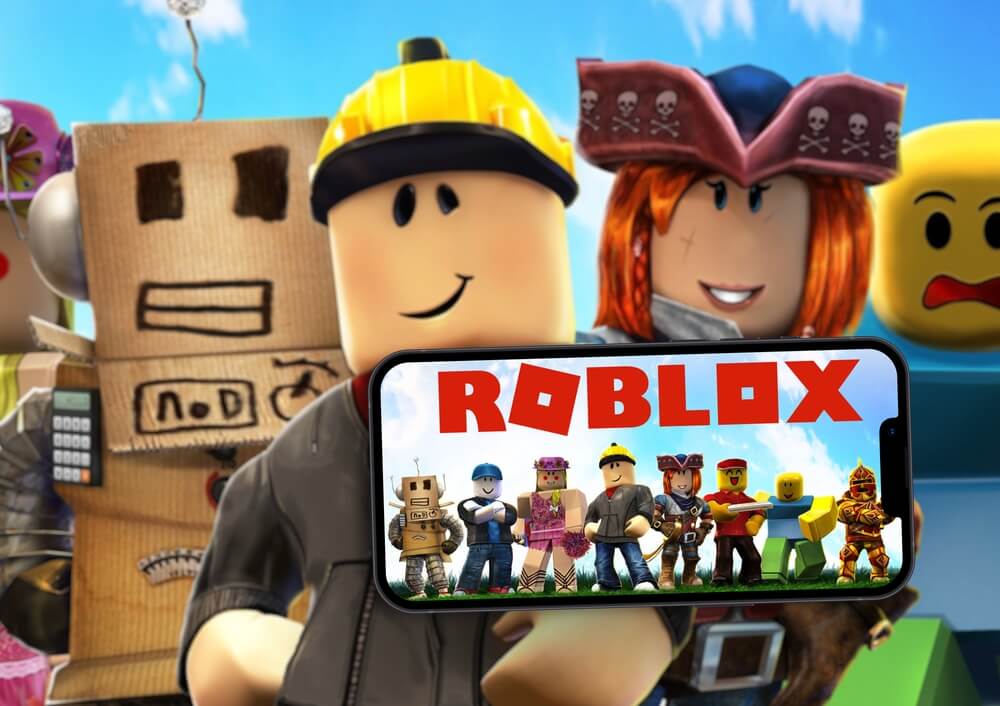
    Just as parents were getting used to Minecraft, a new gaming obsession has taken over—Roblox. What is it? How can you help your child avoid negative influences and gaming addiction? Is it safe from predators? Let’s tackle all your parental concerns about this popular platform.

    What is Roblox?

    Roblox isn’t just a game; it’s an entire platform where kids can:

    • Play games created by other users
    • Create their own games
    • Interact with other players

    The developers’ main concept is to give each player the ability to create games and invite others to play. It’s like a giant sandbox where everyone can play, create their own toys, and share them with others.

    On Roblox, you can bring all kinds of ideas to life, from simple arcade games to complex projects that involve 3D models and programming.

    How Does Roblox Impact Children?

    Credit: roblox.com

    What’s Positive:

    • Creativity: Kids can try their hand at game development and create their own games.
    • Technology: It offers a great introduction to 3D graphics and basic programming concepts.
    • Social Skills: Many games require cooperation and teamwork with other players.

    What’s Negative:

    • Inappropriate Content: Some games feature scenes that aren’t suitable for children, and not all of the games are moderated.
    • Unplanned Spending: Roblox offers in-game currency (“Robux”), and kids can accidentally (or not-so-accidentally) spend real money.
    • Strangers and Online Safety: Despite moderation, there are often aggressive comments in chats, including cyberbullying, insults, manipulation, inappropriate language, and threats.

    How to Ensure Your Child’s Safety on Roblox

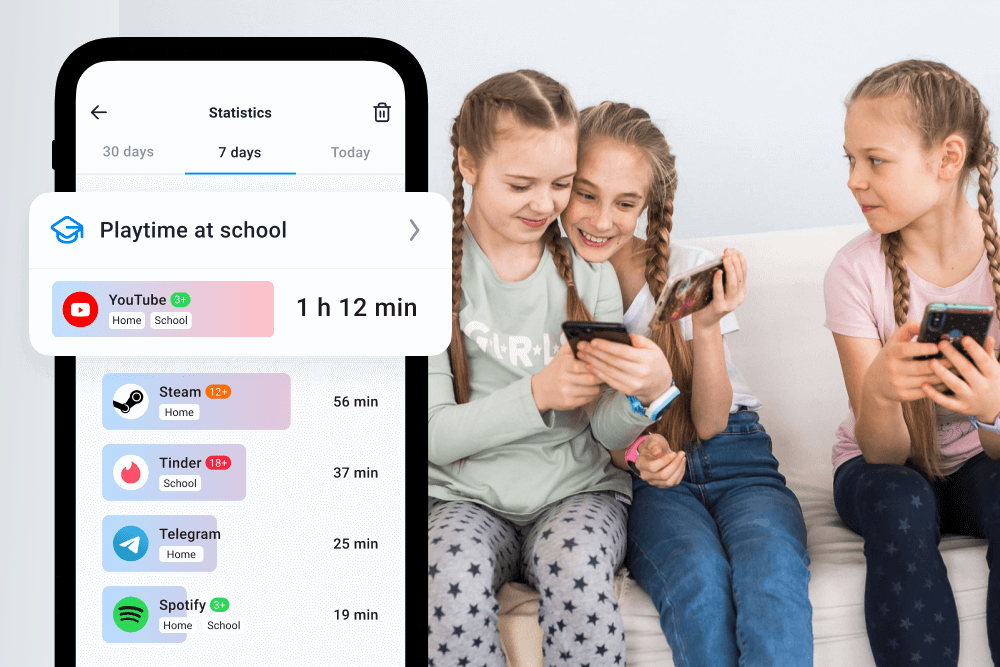
    App stats in Findmykids

    It’s very likely that your child is already familiar with Roblox and may be spending time on the platform. Forbidding Roblox might lead to your child using it secretly. You can instead guide your child in navigating this virtual world. Here’s how you can make the platform safer:

    1. Use Parental Controls—Both Internal and External:
      • Restrict profile access to friends only: Settings → Privacy
      • Set up chat filters to ensure your child communicates only with friends
      • Use the app’s built-in filters to block inappropriate messages
      • Activate the App Blocker function in the Findmykids app to limit screen time or, if you prefer, to block access completely
    2. Check the Games Your Child Plays:
      • Pay attention to age recommendations for games and make sure they are appropriate for your child’s age and interests
      • Employ the Phone Usage function in the Findmykids app to monitor app installations and see what your child is interested in
    3. Teach Your Child Internet Safety:
      • Talk about not sharing personal information online
      • Explain the importance of avoiding conversations with strangers
      • Ensure your child understands that virtual item purchases should only happen with your permission
    4. Engage in Your Child’s Gaming Life:
      • Discuss the storylines, characters, and other aspects of the games
      • Ask what your child likes about the games and why
      • Play together!

    Pro Tip: In the account settings, find the More button (three dots at the bottom of the screen), then click Settings. Under Security, enable Account Restrictions. This will hide content from your child that hasn’t been approved by Roblox curators.

    Talking with your child about what is OK and what’s not OK online will help ensure safety, not only on Roblox, but on other platforms as well. Keep the conversation open and let your child know it’s always safe to come to you with questions or concerns.

    References:

    1. Roblox Dictionary
    2. What is Roblox? Parents’ guide to playing safely. InternetMatters
  • How Should Parents React if Their Child Watches 18+ Content?

    Время на прочтение: 3 минут(ы)

    Have you noticed that your child has become interested in something that’s clearly not age-appropriate? There’s no need to panic. Instead, take a step back and figure out what your child is watching, why, and what it might mean.

    🚫 How to Tell If Your Child Is Watching 18+ Content

    Your teen probably won’t come out and tell you directly. You’ll need to pick up on indirect signs. For example:

    • Your child is spending more time on their gadgets, hiding the screen or quickly closing tabs when you’re around.
    • Your son or daughter begins asking questions about relationships, intimacy, or topics that previously did not seem to interest him or her
    • Children begin using expressions or jokes that seem too mature for their age—overly adult discussions about sex or phrases from popular adult content.
    • Your teen starts feeling insecure about their body, comparing personal features to those of actors or “influencers,” or showing interest in “ideal” body types.

    Your goal isn’t to interrogate but to create a safe atmosphere where children can feel comfortable talking about what’s happening.

    👀 Why Do Kids Watch Adult Content?

    Kids are naturally curious, and the internet offers easy access to pretty much everything. Interest in “grown-up” topics is a normal part of growing up. It is not unusual. However, sometimes this curiosity can go deeper—a lack of information, a desire for something forbidden, stress, or even loneliness.

    When topics like sex, relationships, and puberty are taboo, kids will inevitably go to the easiest place to find answers: the internet.

    For many, the first encounter with adult content occurs around ages 9–10. The videos and images can cause mixed feelings—curiosity, shame, and even disgust.

    Some kids accidentally click on a link and land on an adult site, while others get information from friends who have already “learned.” Is this good or bad? It’s common. What’s important is that kids don’t take the “porn model” of relationships into their real lives.

    🧠 How Does 18+ Content Affect the Young Mind?

    Watching it once won’t harm a child, but regular exposure to this kind of content can have the following effects:

    • For kids under 10, adult videos can cause fear, confusion, disgust, guilt, or even psychological trauma.
    • For teens, it can lead to distorted ideas about bodies, sex, and relationships, which could impact their self-esteem and future expectations from partners.

    As a parent, your job is to explain to your children what they saw and why it’s not appropriate for them to watch that kind of content.

    🫣 What If Your Child Accidentally Sees Adult Content?

    A random encounter with adult content isn’t the end of the world. The key is how you respond:

    • Stay calm. Take a deep breath. If you start yelling, your child may shut down.
    • Ask what he or she understood. “Do you know what that was?” This helps you gauge whether your child is confused or scared.
    • Keep your explanation short. “That’s adult content. If you’re curious or don’t understand something, you can always ask me.”
    • Redirect their attention. Offer something fun or engaging to ease negative emotions.

    🔎 What If Your Child Is Watching 18+ Content on Purpose?

    If your child is seeking it out intentionally, here’s what to do:

    • Don’t accuse. Even if you’re upset, try to stay neutral in tone.
    • Discuss why. Start by asking, “What did you see? Why did it interest you?” Show genuine interest, not criticism.
    • Explain the consequences. Clarify how such content creates a distorted view of people and relationships.
    • Provide alternatives. Share books or educational videos on growing up and sex education for teens.

    Remember: you can always find common ground with your child, even on the toughest topics, as long as you listen and explain concepts calmly. You are the parent, which means you’re the most important person your child can turn to for help.

    References:

    1. What Porn Does to Teen Brains—and How to Keep It Off Their Devices. The Wall Street Journal
    2. How to Talk to Teenagers About Porn. Child Mind Institute 
    3. Teens Are Watching Pornography, and It’s Time to Talk About It. Common Sense Media
  • 10 Activities to Help a 9-Year-Old Boy Grow and Thrive

    Время на прочтение: 2 минут(ы)

    Nine is the perfect age for a boy to explore new interests, build important skills, and have fun while learning. Here are 10 great ideas to help him grow and develop in a well-rounded way.

    🧑‍🔬 1. Science Experiments

    Encourage your son to feel like a real scientist! Set up a mini home lab and try simple yet exciting experiments—grow crystals, make a baking soda volcano, explore magnetism, or even build a simple circuit. There is an ever-growing number of easy-to-follow video tutorials online, and you can find ready-made science kits in stores.

    📚 2. Books & Storytelling

    If your son enjoys reading, encourage his love for books with adventure, sci-fi, or non-fiction stories. Discussing books with your child not only strengthens your bond but also improves his critical thinking skills.

    Great book choices for 9-year-olds:

    • The Chronicles of Narnia series — C.S. Lewis
    • Harry Potter series — J.K. Rowling
    • The Adventures of Tom Sawyer — Mark Twain
    • National Geographic Kids books
    • Choose Your Own Adventure books

    ⚽ 3. Sport!

    Physical activity is essential to both mental and physical well-being. Encourage your son to explore different sports—not just the ones you like! Let him try soccer, basketball, martial arts, or even yoga. The most important thing is to find something he enjoys and can participate in consistently.

    🏄‍♂️ 4. Swimming—With a Twist

    Some children love doing laps in a pool, and introducing water sports can add to the fun. Try surfing, paddleboarding, or even snorkeling. Swimming is great for building endurance, and water sports improve focus, patience, and problem-solving skills.

    🎨 5. Creative Expression

    Creativity can open up new worlds! Encourage hands-on activities like sculpting, drawing, building models, or origami. These hobbies develop patience, fine motor skills, and confidence as children see their ideas come to life.

    🤖 6. Technology & Coding

    Introduce your child to the basics of coding through fun platforms like Scratch or Codesters (with proper parental controls, of course!). Learning to code enhances problem-solving skills and may spark a lifelong interest in technology.

    🎲 7. Board Games & Strategy

    Classic board games like chess, Monopoly, or Catan teach kids strategy, teamwork, and decision-making. Playing together strengthens family bonds while helping your son develop patience and logical thinking.

    🏕️ 8. Outdoor Survival Skills

    Plan a camping trip and teach your son essential survival skills—how to build a fire, set up a tent, navigate using a map, or find safe drinking water. These skills build self-reliance while fostering a love for the outdoors.

    🤝 9. Volunteering & Helping Others

    Encourage empathy and responsibility by involving your son in volunteer activities. He can help at an animal shelter, participate in a community cleanup, or assist a neighbor in need. These experiences teach valuable life lessons about kindness and generosity.

    🛠️ 10. Hands-On DIY & Repairs

    Teach your child basic handyman skills—how to tighten a screw, hammer a nail, or fix a loose cabinet door. Simple home-repair tasks boost confidence and show kids they can solve real-world problems.

    By giving your son opportunities to explore a range of activities, you’re helping him discover his strengths, build independence, and develop lifelong skills—all while having a great time!

    References:

    1. Your Child’s Development From 6 to 12 Years. Memorial Sloan Kettering Cancer Center
    2. Activities For 7 To 11 Years Old: Engaging And Educational Fun. Healthy Young Minds
    3. How to Promote Cognitive Development: 23 Activities & Games. PositivePsychology

    Cover image: S.Hulko/Shutterstock