Автор: The Findmykids Editorial Team

  • How to Gently Reduce Your 8-Year-Old Son’s Screen Time (Without Tears or Tantrums!)

    Время на прочтение: 2 минут(ы)

    Is your son glued to his phone, not noticing anything around him? Even when you call him for dinner, it feels like your words just vanish into the ether. Stay calm and read on! Getting your child off the screen is totally possible — and without drama. The key is knowing the right approach.

    ⚡ Why Is It Important?

    Studies show that 8-year-old children who spend more than 2 hours a day on screens (outside of schoolwork) are more likely to experience:

    • Sleep disturbances
    • Difficulty concentrating
    • Lower levels of physical activity

    🧠 Why Is It So Hard to Break Away From the Screen?

    When we watch something exciting or scroll through an endless social media feed, our brain goes through a powerful biochemical process. Neurotransmitters like dopamine (the hormone that controls pleasure and motivation) and serotonin (which makes us feel satisfied) are released.

    Normally, these chemicals are released gradually, like when we finish a challenging task or enjoy a nice meal. But with extended screen time, the brain starts working in an unfamiliar way as dopamine and serotonin are released in larger amounts and stay for longer periods. This makes it much harder to stop watching, as the brain gets «addicted» to the constant reward.

    You’ve probably experienced it yourself: you promise to watch just one episode, but end up glued to the screen for hours. For kids, managing this process is even harder. They’re still learning self-control, so getting them off the screen without any prep can be a real challenge.

    💡 What Can You Do?

    Try Negotiating

    A strict ban is likely to lead to a tantrum. Instead, try talking about the rules together. For example, set a «digital curfew»—no screens after 8:00 PM.

    Screen Time Break = Reward

    Turn limiting screen time into a game. For instance, after each day of minimal screen use, your child earns points they can trade for something they want.

    Offer Distractions

    It’s tough to monitor your child’s screen time when you’re busy with work. One solution is to leave instructions with requests or ideas. For example: “Dear son, can you come up with and draw five activities you love doing in your free time?”

    Remember: It’s a process, not a battle. With patience, consistency, and a little creativity, you can help your daughter build a healthier relationship with screens without the drama.

    Cover image: Marian Weyo/Shutterstock
  • How to Gently Reduce Your 8-Year-Old Daughter’s Screen Time (Without Tears or Tantrums!)

    Время на прочтение: 2 минут(ы)

    Does your daughter get completely absorbed in her phone, ignoring everything around her? Even the call for dinner feels like an echo in an empty room. Stay calm and read on. There is a way to break the screen spell without meltdowns. The key is knowing the right approach.

    ⚡Why Does It Matter?

    Studies show that 8-year-old children who spend more than 2 hours a day on screens (outside of schoolwork) are more likely to experience:

    • Sleep disturbances
    • Difficulty concentrating
    • Lower levels of physical activity

    🧠 Why Is It So Hard to Break Away From the Screen?

    When we watch something exciting or scroll through an endless social media feed, our brain goes through a powerful biochemical process. Neurotransmitters like dopamine (the hormone that controls pleasure and motivation) and serotonin (which makes us feel satisfied) are released.

    Normally, these chemicals are released gradually, like when we finish a challenging task or enjoy a nice meal. But with extended screen time, the brain starts working in an unfamiliar way as dopamine and serotonin are released in larger amounts and stay for longer periods. This makes it much harder to stop watching, as the brain gets «addicted» to the constant reward.

    You’ve probably experienced it yourself: you promise to watch just one episode, but end up glued to the screen for hours. For kids, managing this process is even harder—they’re still learning self-control, so getting them off the screen without preparation can be a real challenge.

    💡 What Can You Do?

    Try Negotiating

    A strict ban is likely to lead to a tantrum. Instead, try talking about the rules together. For example, set a «digital curfew»—no screens after 8:00 PM.

    Screen Time Break = Reward

    Turn limiting screen time into a game. For instance, after each day of minimal screen use, your child earns points that they can trade for something they want.

    Offer Distractions

    It’s tough to monitor your child’s screen time when you’re busy with work. One solution is to leave instructions with requests or ideas. For example, «Hey, sweetheart! Can you come up with and draw five fun activities you enjoy doing in your free time?» This encourages her to think beyond screens while feeling involved and valued.

    Remember: It’s a process, not a battle. With patience, consistency, and a little creativity, you can help your daughter build a healthier relationship with screens without the drama.

    Cover image: Tania Kolinko/Shutterstock

  • What to Do If Your Teen Struggles With Failure

    Время на прочтение: 2 минут(ы)

    Adolescence is a time of big significant changes. It’s when kids move from childhood to young adulthood and it can be a tough transition. It’s also an age when teens are particularly sensitive to new situations, especially negative ones. Even small setbacks can feel overwhelming, and they may perceive them as catastrophic.

    🤯 Help Them Express Their Emotions

    To cope with their feelings, it’s crucial that your teen can express them. Never belittle your child’s emotions. Instead, listen attentively and show that you understand and love them. When they feel supported, they’re much more likely to process their emotions healthily.

    For instance, if your teen gets a bad grade, it’s not the time for scolding, especially when you can see that they’re already down. Let them know that what matters most to you is their emotional well-being, not their grades or other successes. This approach is essential for helping them build resilience and healthy self-esteem.

    ⏰ Make Time for Them

    It’s easy to get caught up in the hustle and bustle of life and sometimes parents just don’t have that much time for in-depth conversations. But right now, your child needs your attention more than ever.

    There may be moments when your teen is not ready to talk about an issue. When that happens, let them know that you’re there and offer your support when they’re ready to open up. Make sure your child understands that there are no impossible situations. Let them know that nothing catastrophic has happened. This reassurance helps to avoid panic and prevent further self-doubt.

    Emphasize that mistakes are a part of life and can be valuable learning experiences. Failures are normal and the key takeaway is that failures help us grow. They build resilience, help us avoid making the same mistakes, and strengthen our character.

    🗣️ Share Your Own Experience

    The best thing you can do for your child is share your own personal example. Tell them stories about your own failures and how you overcame them. It’s even better if you can inject some humor into your stories. But be cautious with jokes. They should never belittle or invalidate your child’s feelings, as this could make the situation worse.

    🤗 Offer a Distraction

    If your teen is feeling particularly down, offer a healthy distraction. Suggest an activity they enjoy, like going for a walk, watching a movie together, or getting some ice cream. Positive emotions will help replace the negative ones, and it’ll be easier for them to let go of the setback.

    The main point is to allow your teen to make mistakes and reassure them that it’s okay. Afterward, help them get over the situation. If failure seems to be a recurring theme, try to uncover the root cause and work together to find a solution.

  • Children Aged 14–17 and Too Much Screen Time

    Время на прочтение: 2 минут(ы)

    🚩 What the Numbers Say

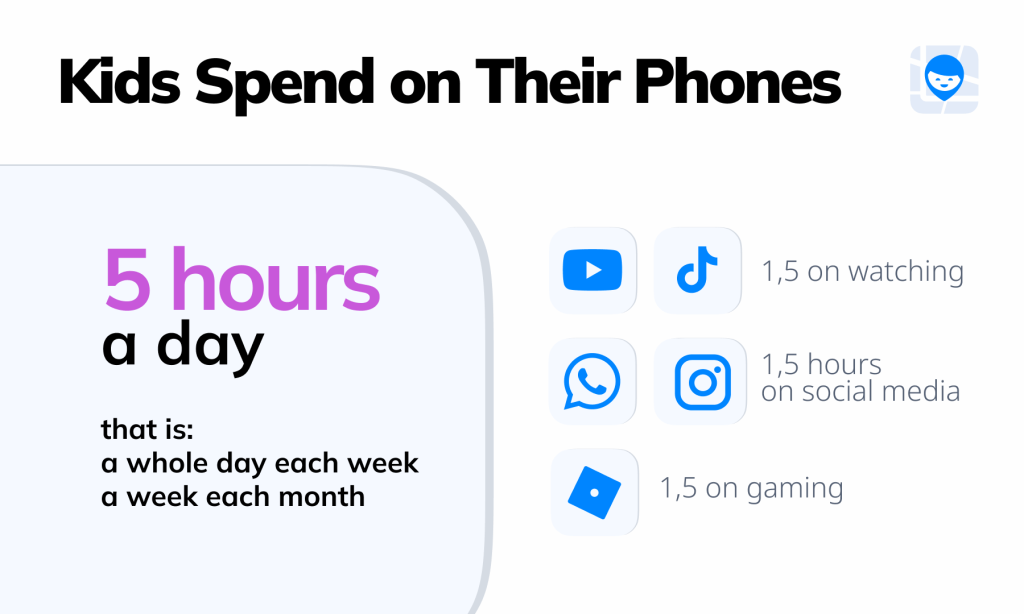
    In May 2023, we conducted a study and found that children spend an average of 5 hours a day on tablets or smartphones. That’s 35 hours a week or 150 hours a month more than a full-time job! On weekends, screen time increases by about 30 extra minutes per day.

    According to the FMK study

    🤖 Boys vs. Girls: How Kids Use Their Devices

    At age 14–17, boys are more likely to play video games, spending up to two hours a day gaming. Girls, on the other hand, spend around 1 to 1.5 hours daily on social media or watching videos.

    ⏰ How Much Screen Time Is Okay?

    Experts have different opinions on how much screen time is safe, and the recommended limits also depend on a child’s age.

    • The World Health Organization (WHO) suggests that 14–17-year-olds should have no more than three hours of screen time per day.
    • The American Academy of Pediatrics (AAP) recommends that children aged 6 and older have consistent limits on screen time to ensure it doesn’t interfere with sleep, physical activity, and other healthy behaviors.

    😣 Potential Effects of Too Much Screen Time

    Sleep Issues

    Too much screen time affects melatonin production, which regulates sleep. A recent study by the U.S. National Institutes of Health found that children who spend more than two hours a day on screens are more likely to have trouble falling asleep and getting enough rest.

    Problems Paying Attention

    Experts warn that excessive gadget use can make it harder for kids to focus. A study published in JAMA Pediatrics found that children who spend more than two hours a day on screens tend to struggle with concentration and learning.

    Lack of Physical Activity

    According to the European Academy of Pediatrics, kids who spend more than two hours on gadgets often have poor posture and are at a higher risk of obesity.

    Emotional and Mental Health Challenges

    Spending too much time on devices can affect a child’s emotional well-being. Research shows that 14–17-year-olds who have excessive screen time are more likely to experience anxiety, mood swings, trouble sleeping, and social difficulties. In some cases, prolonged screen time has even been linked to depression.

    ✅ What Can You Do?

    First, take a deep breath and remember that your child’s love for gadgets doesn’t mean you’re a bad parent! You’re doing great.

    1. Set a Routine. Allow screen time after school but with clear time limits.
    2. Be a Role Model. Establish “tech-free” family moments, like no phones at the dinner table.
    3. Offer Engaging Alternatives. Encourage hobbies like sports, music lessons, or after-school clubs.

    Cover image: Ground Picture/Shutterstock.com

  • Children Aged 10–13 and Too Much Screen Time

    Время на прочтение: 2 минут(ы)

    🚩 What the Numbers Say

    In May 2023, we conducted a study and found that children spend an average of 5 hours a day on tablets or smartphones. That’s 35 hours a week or 150 hours a month more than a full-time job! On weekends, screen time increases by about 30 extra minutes per day.

    According to the FMK study

    🤖 Boys vs. Girls: How Kids Use Their Devices

    At age 10–13, boys are more likely to play video games, spending up to two hours a day gaming. Girls, on the other hand, spend around 1 to 1.5 hours daily on social media or watching videos.

    ⏰ How Much Screen Time Is Okay?

    Experts have different opinions on how much screen time is safe, and the recommended limits also depend on a child’s age.

    • The World Health Organization (WHO) suggests that 10–13-year-olds should have no more than three hours of screen time per day.
    • The American Academy of Pediatrics (AAP) recommends that children aged 6 and older have consistent limits on screen time to ensure it doesn’t interfere with sleep, physical activity, and other healthy behaviors.

    😣 Potential Effects of Too Much Screen Time

    Sleep Issues

    Too much screen time affects melatonin production, which regulates sleep. A recent study by the U.S. National Institutes of Health found that children who spend more than two hours a day on screens are more likely to have trouble falling asleep and getting enough rest.

    Problems Paying Attention

    Experts warn that excessive gadget use can make it harder for kids to focus. A study published in JAMA Pediatrics found that children who spend more than two hours a day on screens tend to struggle with concentration and learning.

    Lack of Physical Activity

    According to the European Academy of Pediatrics, kids who spend more than two hours on gadgets often have poor posture and are at a higher risk of obesity.

    Emotional and Mental Health Challenges

    Spending too much time on devices can affect a child’s emotional well-being. Research shows that 10–13-year-olds who have excessive screen time are more likely to experience anxiety, mood swings, trouble sleeping, and social difficulties. In some cases, prolonged screen time has even been linked to depression.

    ✅ What Can You Do?

    First, take a deep breath and remember that your child’s love for gadgets doesn’t mean you’re a bad parent! You’re doing great.

    1. Set a Routine. Allow screen time after school but with clear time limits.
    2. Be a Role Model. Establish “tech-free” family moments, like no phones at the dinner table.
    3. Offer Engaging Alternatives. Encourage hobbies like sports, music lessons, or after-school clubs.
  • Children at 9 Years Old and Too Much Screen Time

    Время на прочтение: 2 минут(ы)

    🚩 What the Numbers Say

    In May 2023, we conducted a study and found that children spend an average of 5 hours a day on tablets or smartphones. That’s 35 hours a week or 150 hours a month more than a full-time job! On weekends, screen time increases by about 30 extra minutes per day.

    According to the FMK study

    🤖 Boys vs. Girls: How Kids Use Their Devices

    At age 9, boys are more likely to play video games, spending up to two hours a day gaming. Girls, on the other hand, spend around 1 to 1.5 hours daily on social media or watching videos.

    ⏰ How Much Screen Time Is Okay?

    Experts have different opinions on how much screen time is safe, and the recommended limits also depend on a child’s age.

    • The World Health Organization (WHO) suggests that 9-year-olds should have no more than three hours of screen time per day.
    • The American Academy of Pediatrics (AAP) recommends that children aged 6 and older have consistent limits on screen time to ensure it doesn’t interfere with sleep, physical activity, and other healthy behaviors.

    😣 Potential Effects of Too Much Screen Time

    Sleep Issues

    Too much screen time affects melatonin production, which regulates sleep. A recent study by the U.S. National Institutes of Health found that children who spend more than two hours a day on screens are more likely to have trouble falling asleep and getting enough rest.

    Problems Paying Attention

    Experts warn that excessive gadget use can make it harder for kids to focus. A study published in JAMA Pediatrics found that children who spend more than two hours a day on screens tend to struggle with concentration and learning.

    Lack of Physical Activity

    According to the European Academy of Pediatrics, kids who spend more than two hours on gadgets often have poor posture and are at a higher risk of obesity.

    Emotional and Mental Health Challenges

    Spending too much time on devices can affect a child’s emotional well-being. Research shows that 9-year-olds who have excessive screen time are more likely to experience anxiety, mood swings, trouble sleeping, and social difficulties. In some cases, prolonged screen time has even been linked to depression.

    ✅ What Can You Do?

    First, take a deep breath and remember that your child’s love for gadgets doesn’t mean you’re a bad parent! You’re doing great.

    1. Set a Routine. Allow screen time after school but with clear time limits.
    2. Be a Role Model. Establish “tech-free” family moments, like no phones at the dinner table.
    3. Offer Engaging Alternatives. Encourage hobbies like sports, music lessons, or after-school clubs.
  • Children at 8 Years Old and Too Much Screen Time

    Время на прочтение: 2 минут(ы)

    🚩 What the Numbers Say

    In May 2023, we conducted a study and found that children spend an average of 5 hours a day on tablets or smartphones. That’s 35 hours a week or 150 hours a month more than a full-time job! On weekends, screen time increases by about 30 extra minutes per day.

    According to the FMK study

    🤖 Boys vs. Girls: How Kids Use Their Devices

    At age 8, boys are more likely to play video games, spending up to two hours a day gaming. Girls, on the other hand, spend around 1 to 1.5 hours daily on social media or watching videos.

    ⏰ How Much Screen Time Is Okay?

    Experts have different opinions on how much screen time is safe, and the recommended limits also depend on a child’s age.

    • The World Health Organization (WHO) suggests that 8-year-olds should have no more than three hours of screen time per day.
    • The American Academy of Pediatrics (AAP) recommends that children aged 6 and older have consistent limits on screen time to ensure it doesn’t interfere with sleep, physical activity, and other healthy behaviors.

    😣 Potential Effects of Too Much Screen Time

    📌 Sleep Issues

    Too much screen time affects melatonin production, which regulates sleep. A recent study by the U.S. National Institutes of Health found that children who spend more than two hours a day on screens are more likely to have trouble falling asleep and getting enough rest.

    📌 Problems Paying Attention

    Experts warn that excessive gadget use can make it harder for kids to focus. A study published in JAMA Pediatrics found that children who spend more than two hours a day on screens tend to struggle with concentration and learning.

    📌 Lack of Physical Activity

    According to the European Academy of Pediatrics, kids who spend more than two hours on gadgets often have poor posture and are at a higher risk of obesity.

    📌 Emotional and Mental Health Challenges

    Spending too much time on devices can affect a child’s emotional well-being. Research shows that 8-year-olds who have excessive screen time are more likely to experience anxiety, mood swings, trouble sleeping, and social difficulties. In some cases, prolonged screen time has even been linked to depression.

    ✅ What Can You Do?

    First, take a deep breath and remember that your child’s love for gadgets doesn’t mean you’re a bad parent! You’re doing great.

    1. Set a Routine. Allow screen time after school but with clear time limits.
    2. Be a Role Model. Establish “tech-free” family moments, like no phones at the dinner table.
    3. Offer Engaging Alternatives. Encourage hobbies like sports, music lessons, or after-school clubs.

    Cover image: Inside Creative House/Shutterstock.com

  • How Much Screen Time Is Too Much for a 7-Year-Old?

    Время на прочтение: 2 минут(ы)

    🚩 What the Numbers Say

    In May 2023, we conducted a study and found that children spend an average of 5 hours a day on tablets or smartphones. That’s 35 hours a week or 150 hours a month, even more than a full-time job! On weekends, screen time increases by about 30 extra minutes per day.

    According to the FMK study

    🤖 Boys vs. Girls: How Kids Use Their Devices

    At age 7, boys are more likely to play video games, spending up to two hours a day gaming. Girls, on the other hand, spend around 1 to 1.5 hours daily on social media or watching videos.

    ⏰ How Much Screen Time Is Okay?

    Experts have different opinions on how much screen time is safe, and the recommended limits also depend on a child’s age.

    • The World Health Organization (WHO) suggests that 7-year-olds should have no more than three hours of screen time per day.
    • The American Academy of Pediatrics (AAP) recommends that children aged 6 and older have consistent limits on screen time to ensure it doesn’t interfere with sleep, physical activity, and other healthy behaviors.

    😣 Potential Effects of Too Much Screen Time

    Sleep Issues

    Too much screen time affects melatonin production, which regulates sleep. A recent study by the U.S. National Institutes of Health found that children who spend more than two hours a day on screens are more likely to have trouble falling asleep and getting enough rest.

    Problems Paying Attention

    Experts warn that excessive gadget use can make it harder for kids to focus. A study published in JAMA Pediatrics found that children who spend more than two hours a day on screens tend to struggle with concentration and learning.

    Lack of Physical Activity

    According to the European Academy of Pediatrics, kids who spend more than two hours on gadgets often have poor posture and are at a higher risk of obesity.

    Emotional and Mental Health Challenges

    Spending too much time on devices can affect a child’s emotional well-being. Research shows that 7-year-olds who have excessive screen time are more likely to experience anxiety, mood swings, trouble sleeping, and social difficulties. In some cases, prolonged screen time has even been linked to depression.

    ✅ What Can You Do?

    First, take a deep breath and remember that your child’s love for gadgets doesn’t mean you’re a bad parent! You’re doing great.

    1. Set a Routine. Allow screen time after school but with clear time limits.
    2. Be a Role Model. Establish “tech-free” family moments, like no phones at the dinner table.
    3. Offer Engaging Alternatives. Encourage hobbies like sports, music lessons, or after-school clubs.

    Cover image: New Africa/Shutterstock.com

  • 5 Steps to Foster Independence in Your Teenager

    Время на прочтение: 2 минут(ы)

    Every parent dreams of seeing their child grow up to be successful, confident, and able to handle life’s challenges on their own.

    The teenage years are a crucial time when kids begin to form their social roles, develop a sense of adulthood, and start striving for independence. As they navigate these changes, it’s essential to provide the right support. Here’s how you can help your teenager become more independent.

    🔎 1. Give Them More Choices

    Involve your teen in family decisions—this will help them feel important and responsible. For instance, let them help plan the family dinner menu or discuss weekend plans together. Research shows that 77.6% of children feel more valued when they are included in family decisions.

    Start with something simple: “What would you like for dinner this Saturday? Let’s find a recipe and cook it together!” Activities like these not only promote independence but also strengthen family bonds and create lasting memories.

    💁🏻‍♀️ 2. Respect Their Personal Space

    As your teen matures, their relationship with you becomes more significant, but they also need personal space to set boundaries. Reduce unnecessary control over their activities. If they have their own room, knock before entering. Avoid pressuring them for deep conversations; they’ll open up when they’re ready. This fosters respect and trust.

    💙 3. Trust Your Teen

    Remember, when talking to your teen, you’re engaging with an adult who wants to express their opinions and make decisions. Avoid micromanaging—when you don’t control every aspect of their life, communication becomes more open and trusting. Your belief in their ability to make choices reinforces their independence. Make sure your words reflect trust, not doubt. This boosts their confidence and encourages them to share important moments with you.

    🤗 4. Praise Them More

    Swap general phrases like “Good job” with specific, meaningful praise. For example: “You worked really hard solving that problem—your perseverance is impressive!” Praising their efforts, not just the outcome, helps build both confidence and internal motivation. Focus on praising the process, not just the results.

    📈 5. Be Consistent in Your Statements

    Teenagers can become frustrated if parents frequently change their stance. To help your child be confident and goal-oriented, it’s important that your words are consistent. Ensure that your advice is clear, logical, and avoids creating confusion. Provide stable guidance that helps them develop their own ideas and perspectives.

    By following these steps, you can encourage your teen to embrace independence while maintaining a strong, trusting relationship with them.

  • 5 Tips to Help Your Child Do Homework Independently

    Время на прочтение: 2 минут(ы)

    At 9 years old, kids are just starting to adjust to their school routine. Homework can quickly turn into a stressful experience for the whole family, with parents worrying and trying to push their child to finish. So it often ends in frustration or arguments. To help make homework time easier and more productive, here are five practical tips.

    ⏰ 1. Break Down the Workload

    At this age, kids still find it hard to sit still for long periods. To keep homework manageable, break it up into chunks. Start with tasks that require the most focus, like math or writing. Afterward, let them take a short break and move on to lighter activities, such as reading.

    Creative assignments like drawing or crafting should come last. You can also mix tougher subjects with easier ones to keep your child engaged and energized.

    🗣️ 2. Talk It Out and Explain the Reason

    Kids are more motivated when they understand why they’re doing something. Explain the reason behind their homework and how it helps them learn and grow. Answer their questions and acknowledge that some tasks might feel boring but are still important.

    Encourage your child to tackle assignments independently, but reassure them that it’s okay to ask for help. Praise their effort often and celebrate their small successes. For a smoother process, suggest they start with what they already understand, saving the trickier tasks to work on together later.

    📝 3. Prepare the Workspace Ahead of Time

    Distractions are the enemy of focus. Create a comfortable and clutter-free workspace where your child can concentrate. Get rid of any toys, devices, or anything else that might pull their attention away.

    Make sure all the essentials like textbooks, pencils, erasers, and rulers are within reach. Having everything ready ahead of time saves time and reduces frustration.

    😎 4. Foster Independence (But Stay Within Reach)

    Imagine if your boss hovered over your shoulder and commented on everything you did. How long would you last? Kids feel the same way when parents micromanage their homework time.

    Help them plan their tasks and break down assignments into clear steps. Then step away, but not too far away in case they need help or have questions.

    Remember, homework is designed to reinforce concepts already taught in class. Your role is to guide, clarify, or correct, not to do the work for them.

    🤸 5. Respect Your Child’s Temperament

    Should homework happen right after school or later in the evening? There’s no one-size-fits-all answer. Some kids need to relax and recharge after school, while others prefer to get it done before playtime. Work together to find what suits your child’s natural rhythm.

    Temperament also plays a big role. Energetic kids (like extroverted or highly active personalities) might benefit from burning off energy outside first. Calm, methodical kids may need extra time to work at their own pace. Sensitive children can get overwhelmed quickly, so breaking tasks into smaller steps with frequent breaks can help them stay focused.

    Stay Patient and Supportive

    Homework is a new challenge for 9-year-olds, and learning to handle it independently is a process. With your support, patience, and encouragement, your child will build confidence, focus, and resilience, which are essential tools for life. And you’ll go through fewer battles over homework and more peace at home.