Блог

  • Top Mobile Games to Boost Your Teen’s Logical Thinking

    Время на прочтение: 3 минут(ы)

    While phones can be a classroom distraction, outside school, they can become valuable tools for your child’s growth—especially with apps that enhance critical thinking, problem-solving, and logical reasoning.

    The Benefits of Educational Games

    Teens and pre-teens often spend hours playing mobile and computer games, making these platforms not just learning tools but also social experiences. When chosen wisely, educational games can help strengthen:

    • Creativity
    • Mathematical abilities
    • Analytical thinking
    • Perseverance
    • Reaction speed
    • Memory
    • Learning capacity

    Top Educational Games for Kids Aged 10–14

    Engaging a teen or pre-teen in educational activities can be challenging, but educational games cleverly disguise brain exercises as exciting challenges, strategic puzzles, or immersive quests.

    LogicLike
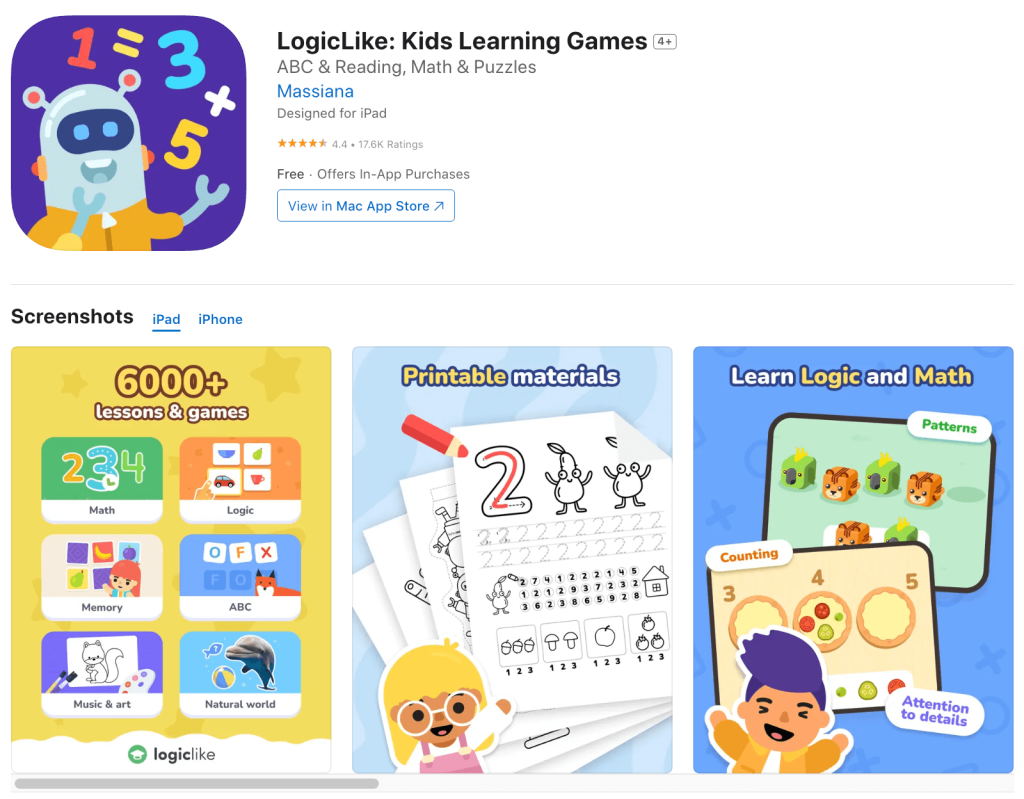
    About the app: This platform offers over 5,500 educational puzzles designed for kids and adults with challenges grouped by objectives—whether for logic building, academic improvement, or competition preparation.

    Why It’s Great: Players can start at an easy level or jump into advanced tasks, tracking progress and competing with friends or other users for extra motivation.

    • Recommended Age: For children and adults.
    • Develops: Logic.
    • Free Trial: Available.
    • Where to Download: App Store and Google Play.

    Lumosity
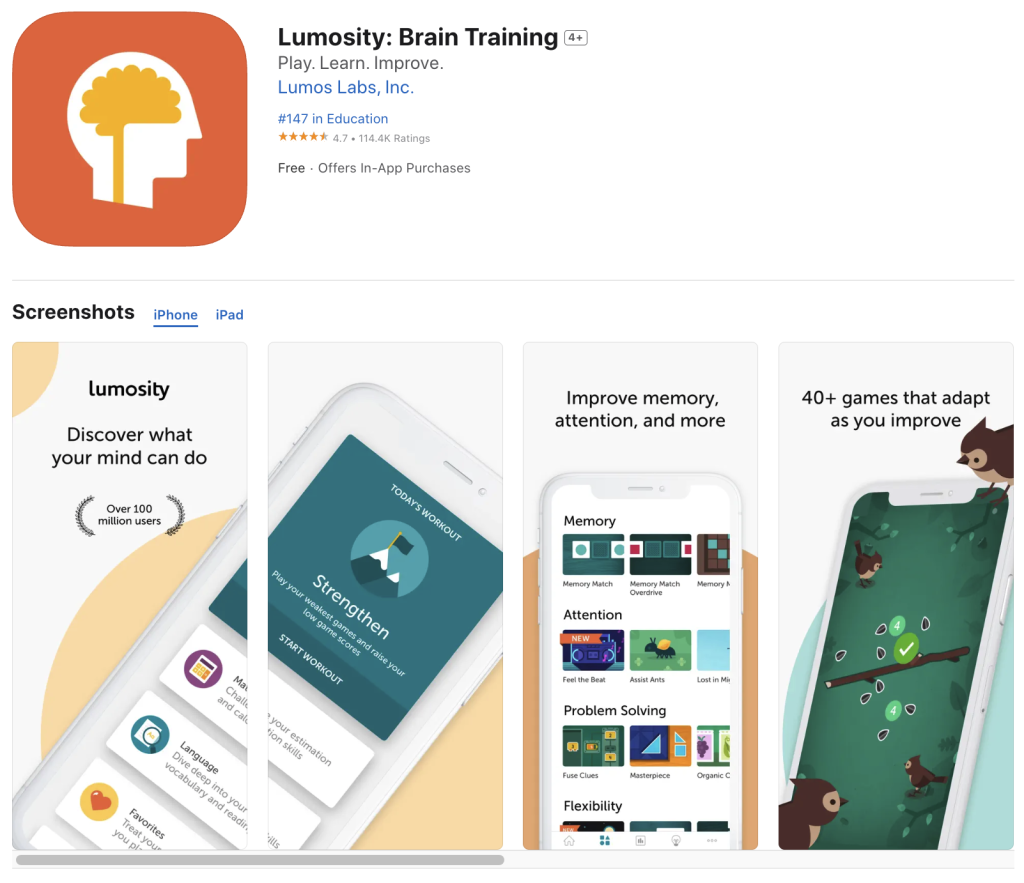
    About the App: A scientifically designed brain-training app, Lumosity offers personalized daily workouts that adjust to user performance, making cognitive training both engaging and adaptive.

    Why It’s Great: This app trains memory, attention, flexibility, speed, and problem-solving—key cognitive abilities that impact academic success, decision-making, and everyday functioning.

    • Recommended Age: For teens and adults.
    • Develops: Memory, attention, flexibility, speed, problem-solving.
    • Free Trial: Available; premium subscription offers additional features.
    • Where to Download: App Store and Google Play.

    Brain It On!

    About the App: A physics-based puzzle game where players draw shapes to solve challenges, fostering creative problem-solving and spatial reasoning.

    Why It’s Great: Unlike traditional puzzle games, Brain It On! allows multiple solutions for each problem, requiring experimentation, logic, and trial-and-error learning—all essential for STEM-related skills

    • Recommended Age: For children aged 10 and up.
    • Develops: Creativity, problem-solving, physics concepts.
    • Free Trial: Free with in-app purchases.
    • Where to Download: App Store and Google Play.

    100 Doors: Escape Game

    About the App: Escape-room-style games are all the rage. They immerse players in mystery-solving and require logical thinking, pattern recognition, and attention to detail to advance through each level.

    Why It’s Great: This game enhances cognitive flexibility and deductive reasoning, teaching players to think critically, spot clues, and solve problems under pressure—valuable real-world skills.

    • Recommended Age: For children aged 9 and up.
    • Develops: Logic, attentiveness, analytical thinking.
    • Free Trial: The app is free with in-app purchases.
    • Where to Download: App Store and Google Play.

    Finding the Right Balance

    While mobile games can enhance logic and cognitive skills, balancing screen time with offline activities is essential. Encourage a mix of digital learning, physical play, and hands-on experiences to keep your teen’s brain active in multiple ways.

    Why not try one of these games together? A little friendly competition might even sharpen your own problem-solving skills!

    Cover image: Brocreative/Shutterstock.com
  • Top 4 Apps to Boost Your Child’s Logic and Learning

    Время на прочтение: 3 минут(ы)

    Phones can be a major distraction in the classroom, which is why many schools ban them during lessons. However, outside of school, they can become powerful learning tools—especially when paired with apps that help develop critical thinking and problem-solving skills.

    Why Educational Games Matter

    Kids today love playing mobile and computer games and while gaming is often seen as just entertainment, it’s also a way for children to socialize, develop problem-solving skills, and strengthen cognitive abilities. The right games can improve:

    • Creativity
    • Math skills
    • Analytical thinking
    • Focus and patience
    • Reaction speed
    • Memory
    • Learning ability

    Best Logic-Building Games for Kids Ages 7–9

    These fun and engaging apps may seem like simple games at first, but they actually challenge kids to think critically, solve puzzles, and develop skills in areas like logical reasoning, problem-solving, spatial awareness, and even basic physics and math.

    LogicLike

    About the App: This brain-training app offers over 4,500 puzzles and logic games tailored for kids of all ages—from preschoolers to high schoolers.

    Why it’s Great: Challenges are grouped by goals—kids can develop reasoning, improve academic skills, or prepare for competitions. The app also tracks progress and offers a competitive edge by letting users compete with friends or players worldwide.

    • Recommended age: Kids & adults
    • Skills developed: Logic
    • Free trial: Yes
    • Where to download: App Store & Google Play

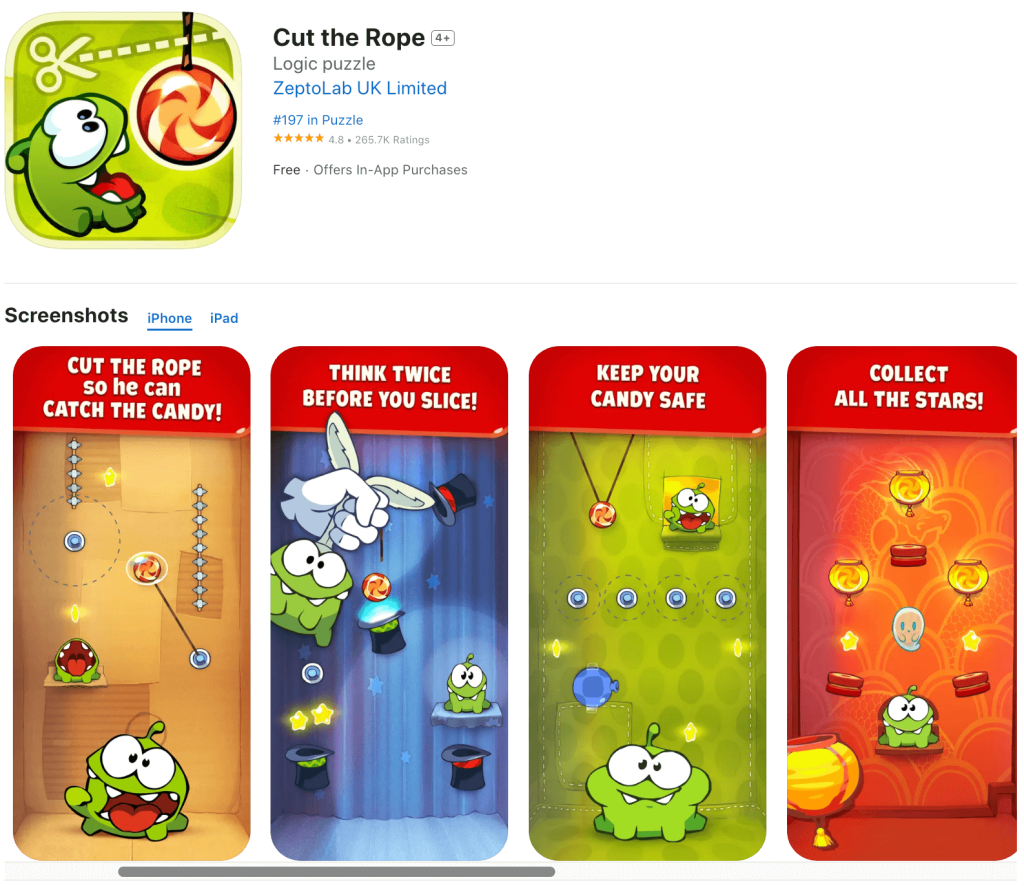
    Cut the Rope

    About the App: Starring Om Nom, a little monster with a big sweet tooth, this classic puzzle game is all about strategy. The goal? Cut the ropes at just the right moment, so Om Nom can grab his candy while collecting stars.

    Why it’s Great: Kids experiment with physics as they figure out how gravity, tension, and angles affect the candy’s path. It encourages spatial thinking and trial-and-error learning—key skills for problem-solving.

    • Recommended age: Kids & adults
    • Skills developed: Logic, spatial thinking
    • Free trial: Free with a premium version available
    • Where to download: App Store & Google Play

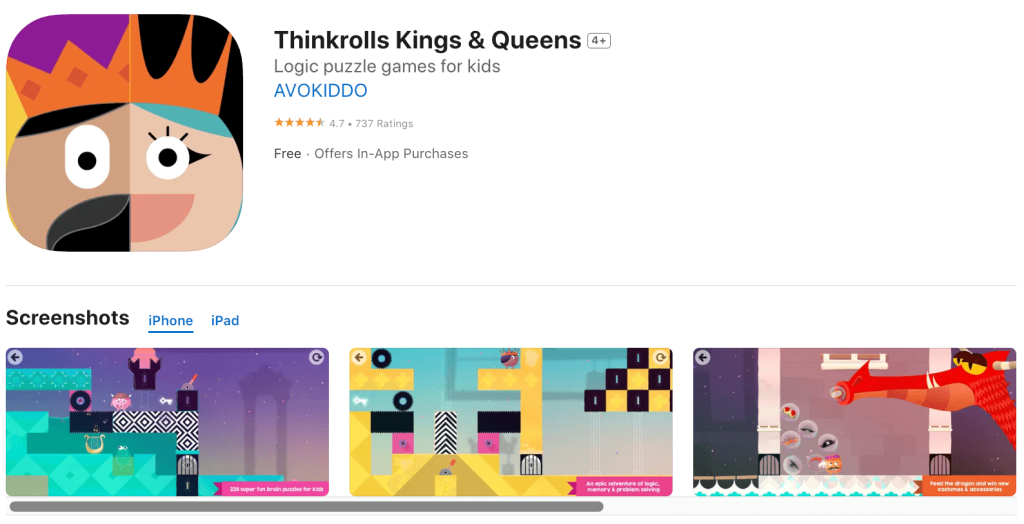
    Thinkrolls: Kings & Queens

    About the App: This puzzle-based adventure game places kids in a fairy tale world where they must use logic to navigate mazes, outsmart a dragon, and free a castle.

    Why it’s Great: Encourages logical thinking and problem-solving by incorporating puzzles that involve rolling, sliding, and navigating obstacles. Various difficulty levels allow younger kids to begin with basic puzzles, while older ones tackle more advanced challenges.

    • Recommended age: 5–10 years
    • Skills developed: Logic, spatial thinking, creativity, focus
    • Free trial: No, but there’s a free version with fewer puzzles
    • Where to download: App Store & Google Play

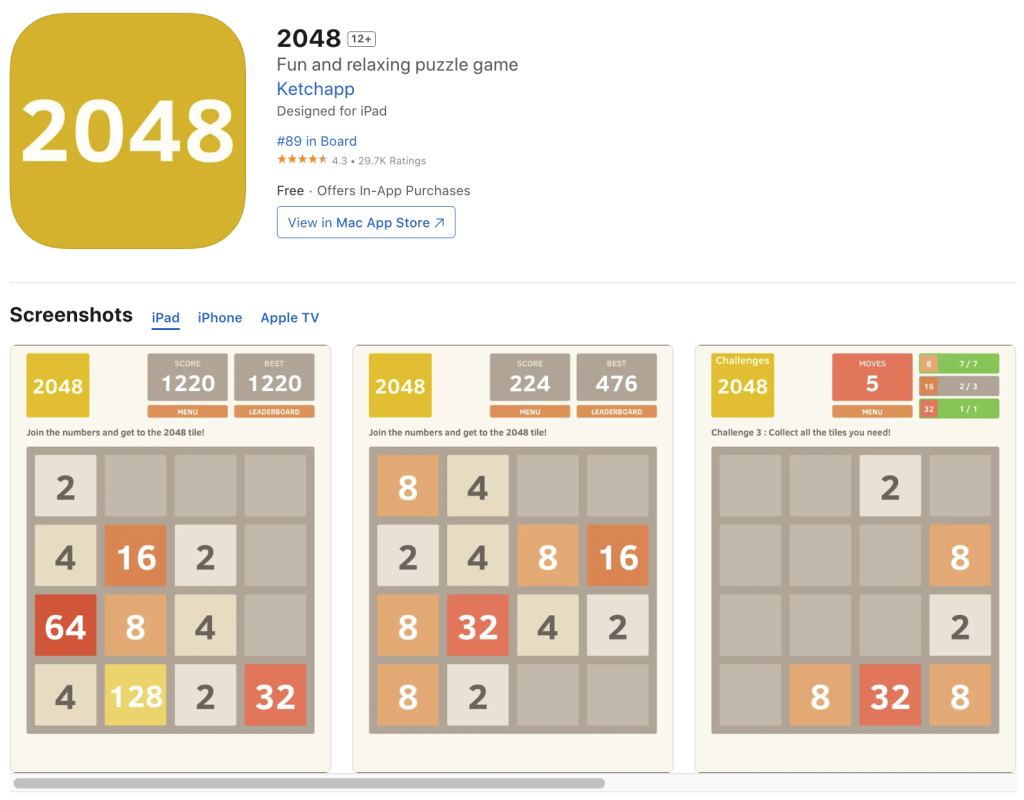
    2048

    About the App: This number puzzle might seem easy at first, but as kids progress, they’ll need to think carefully about every move. The goal? Reach the number 2048—but it’s not as easy as it looks!

    Why It’s Great: Kids practice strategic thinking, planning ahead, and understanding number relationships—all crucial for math fluency and analytical skills. Plus, it helps improve working memory, as players need to remember their moves and predict the outcomes.

    • Recommended age: 5+ & adults
    • Skills developed: Logic, problem-solving, focus, analytical thinking
    • Free trial: Free
    • Where to download: App Store & Google Play

    Finding the Right Balance

    Phones can be fantastic learning tools when used intentionally. Apps like these can help kids develop logic, strategy, and problem-solving skills while making learning feel like play.

    However, screen time balance is key—whether they’re gaming, chatting with friends, or watching cartoons, aim to encourage a mix of digital and offline activities for well-rounded development.

    Why not try a few of these games together? You might even boost your own brainpower in the process!

  • 5 Must-Read Books About Growing Up for Boys

    Время на прочтение: 3 минут(ы)

    Books can provide a fantastic safe space for kids to delve into different perspectives, ask questions, and reflect on their own beliefs, thoughts, and feelings. Books about puberty and growing up aren’t a clumsy substitute for an honest talk with your child—but they are a great tool to support and continue that important conversation. Here are five great reads for parents and boys entering adolescence.

    1. Guy Stuff: The Body Book for Boys by Cara Natterson

    This book is a perfect first introduction to body changes, puberty, and self-care. Written by a pediatrician, it’s approachable, informative, and easy to read together with parents, starting around age 9. There’s also a version for girls by the same author, The Care and Keeping of You, which has become a classic on the topic.

    2. Growing Up Great!: The Ultimate Puberty Book for Boys by Scott Todnem

    Scott Todnem, a national health educator of the year, wrote this book as a practical, easy-to-understand guide for boys navigating the physical and emotional changes of puberty. It’s packed with clear explanations, engaging illustrations, and real-life advice to help boys feel more confident about growing up.

    3. Just for Boys: A Book About Growing Up by Matt Crossick

    This well-rated book is designed as a conversation starter between kids and their parents. It covers everything from hygiene and body image to emotions and relationships, offering boys a reassuring and positive perspective on growing up.

    4. The Boys’ Body Book: Everything You Need to Know for Growing Up! by Kelli Dunham

    This bestselling guide walks boys through the journey of adolescence with humor and honesty. It addresses common questions about puberty, emotions, friendships, and even social challenges, making it a great all-in-one resource for growing boys.

    5. Dating and Relationships: A Guide for Teens and Young Adults by Jay McGraw

    Understanding relationships and emotions is just as important as understanding body changes. This book helps boys navigate their first crushes, friendships, and personal boundaries while encouraging healthy and respectful relationships.

    These books provide valuable guidance and reassurance for both kids and parents. Growing up can be confusing, but the right resources can make the journey a little smoother.

    Bonus Tip: Your son may act a bit mortified when you offer books like this to him (especially from moms), so play it cool. Let him know up front you understand, but it’s just one more way you’ve got his back.

    References:

    1. Why Do Kids Need Books? The National Book and Literacy Alliance. 
  • Surviving Your Kid’s First Away-from-Home Sleepover

    Время на прочтение: 2 минут(ы)

    Remember your first sleepover at a friend’s house? Maybe you stayed up late watching a scary movie, eating chips, and talking non-stop. Or you listened to music, devoured ice cream, and shared secrets. Either way, it was probably, if not amazing, at least pretty fun.

    But the moment your own child asks to have a sleepover at a friend’s house, everything changes. Suddenly, nostalgia is replaced by anxiety, stress, and a million what-ifs. It’s completely normal to worry about your child, but their desire for independence is just as natural; and necessary.

    We spoke with psychologist Dr. Lilla Dale McManis to get expert advice on how to let your child go to a sleepover without turning into a helicopter parent who texts every five minutes out of sheer panic.

    🤷 What If Something Goes Wrong?…

    Every parent wants to be perfect—to anticipate every risk and keep things under control. So when your child asks to sleep over at a friend’s house for the first time, your brain likely goes into overdrive:

    • “What if something goes wrong?”
    • “What if they feel uncomfortable?”
    • “What if something happens that I can’t control?”

    If these thoughts sound familiar, congratulations—you’re already a caring, responsible parent. You’re thinking about safety, trust, and boundaries, and that’s a good thing! But it’s also important to ask yourself: Is this about real concerns for my child’s safety, or is it my own fear of them growing up?

    Let’s break it down step by step.

    ⁉️ What to Consider Before Saying Yes to a Sleepover

    ✔ Is Your Child Ready?

    • Do they actually want this, or are they just going along with it because “everyone else is doing it”?
    • Do you trust them to make good decisions and choices?
    • Can they confidently say “no” if something makes them uncomfortable?

    ✔ Do You Trust the Family They’re Staying With?

    • Do you know them well?
    • Are they attentive and willing to text or call you if needed?
    • What are their house rules and safety practices? Do they align with yours?

    ✔ What Exactly Are You Afraid Of?

    • Are these real risks or just hypothetical worries?
    • Would it really be a disaster if your child doesn’t get enough sleep or watches Squid Game at midnight?
    • What’s the absolute worst-case scenario you’re imagining?

    📝 How to Manage Anxiety and Ensure a Safe Experience

    • Set expectations: Talk with your child about how often they should check in, what time they’ll go to sleep, and any house rules they need to follow.
    • Have a Plan B: Let them know they can call you anytime, no questions asked, and you’ll also come get them if they feel uncomfortable.
    • Start small: Invite their friend over first, meet the parents, and observe how the kids interact.

    A child’s first sleepover isn’t just about their independence—it’s about yours, too. It’s about trust, boundaries, and growth—not just for them, but for you as well.

    It’s completely normal for parents to feel uneasy as their child becomes more independent. But separation is a key part of healthy development—it helps kids become confident, capable adults.

    So, instead of letting worry take over and ruin this moment of one more step to growing up, find ways to manage your own anxiety without making it your child’s problem. And while they’re off making their own childhood memories, take the opportunity to enjoy a quiet, kid-free evening—you probably don’t get enough of those!

    References:

    1. Nervous about your kid’s first sleepover, Mama? Mother.ly
    2. How To Know When Your Kid Is Ready For a Sleepover. Parents.com
  • Teen Acne: How to Help Your Child?

    Время на прочтение: 3 минут(ы)

    Acne is extremely common. About 85% of young people between the ages of 12 and 24 experience acne. How can you support your child and help them find the right skincare routine? Let’s break it down.

    “You’re Not Alone”: The Most Important Thing Is Support

    Prostock-studio/Shutterstock.com

    Acne isn’t just about skin—it can take a toll on self-esteem and lead to insecurity. Some teens may start avoiding social interactions or feeling embarrassed about their appearance. That’s why emotional support is key.

    While acne isn’t a life-threatening condition, it can leave both physical and emotional scars. Remind your child that this phase is temporary and that they’re not alone in facing it.

    How to Support Your Teen:

    • Listen without judgment. Show that you’re sensitive to what they’re going through and reassure them that acne is completely normal. Share your own experiences if relevant.
    • Help with skincare. Choose the right products together (a visit to a dermatologist is highly recommended!).
    • Encourage a healthy lifestyle. It benefits not only their skin but also their overall well-being.
    • Be patient. Acne treatment takes time, and results aren’t instant—remind your child to stick with it.

    Why Does Acne Happen?

    Credit: porterranchacne.com

    Teen acne is a natural result of changes in the body during puberty.

    Main Causes:

    • Hormones. Rising androgen levels trigger excess oil production.
    • Genetics. If you had acne as a teen, your child is more likely to experience it too.
    • Skin oil imbalance. This creates an ideal environment for bacteria.

    Essentially, the pores and tiny hair follicles get clogged and the oils can’t escape. Due to gender differences in the timing of puberty, the average girl will develop acne at about 11 while for boys this can be closer to age 13.

    What Can Make Acne Worse?

    • A diet high in sugar and greasy foods
    • Stress and lack of sleep
    • Using the wrong skincare products

    How to Get Rid of Acne?

    Prostock-studio/Shutterstock.com

    A great first step is to consult a dermatologist. They’ll assess the severity of acne and recommend treatment, which may include:

    • Topical treatments (creams, gels, or prescription medications)
    • Dermatological procedures (facials, peels)
    • A consistent skincare routine (gentle cleansing and moisturizing daily)

    Many teens want a “magic fix” to clear their acne overnight. As a parent, remind them that patience and consistency are key—only by following a specialist’s advice regularly will they achieve clear skin.

    ✔ Acne Prevention & Daily Skincare Tips

    • Wash the face twice a day with a mild cleanser—avoid harsh scrubs.
    • Use a lightweight, oil-free moisturizer labeled for acne-prone skin.
    • Avoid touching the face to prevent bacterial spread.
    • Do not pop pimples—this can cause inflammation and scarring.
    • Adjust the diet:
      • Cut back on sugar, fast food, and greasy meals.
      • Some teens see improvements by reducing dairy—try eliminating it for a couple of weeks.
      • Eat more vegetables, fruits, and foods rich in omega-3s.
    • Use over-the-counter acne treatments with salicylic acid or benzoyl peroxide. Remind your teen to follow the directions, as overuse Manage stress through exercise, walks, or meditation.
    • Change pillowcases and towels weekly, or more if needed, to prevent bacteria buildup.

    ❌ Common Mistakes to Avoid

    • Overwashing the face—this can dry out and irritate the skin.
    • Using harsh scrubs or alcohol-based toners—they can cause inflammation.
    • Not following directions for over-the-counter acne medications—over-application can cause dryness and peeling.
    • Overusing makeup—stick to non-comedogenic products that won’t clog pores.

    Acne is completely normal and not a reason to stress excessively. But keep in mind that because it matters to teens, it should be addressed with understanding by you. Instead of becoming overly anxious or upset, it’s an opportunity for teens to build healthy skincare habits. Support your teen, educate them on proper care and nutrition, and help them manage the emotional challenges that come with it.

    And remember: Confidence is the real beauty!

    References:

    1. Dermatology: How to manage acne vulgaris. National Library of Medicine
    2. What causes acne, and how do I treat it? UC Davis Health.
  • How Screens Affect Your Teen’s Brain

    Время на прочтение: 2 минут(ы)

    You call your child to dinner, but… silence. No, they’re not ignoring you on purpose—their brain is literally locked in by their device.

    When kids learn or solve problems, their brain works hard and burns a lot of energy. But scrolling through social media, watching videos, or playing games? That’s effortless entertainment. No thinking, no challenges, just instant fun—thanks to a dopamine boost, the brain’s feel-good chemical.

    The problem? Quick dopamine hits make kids crave instant rewards, making real-world activities (even exciting ones) seem dull in comparison.

    💡 What can you do? If your child refuses to turn off their device, don’t just say “Turn it off NOW.” Instead, try: “Let’s make a deal—10 more minutes, then you turn it off yourself. I’ll set a timer.” This way, they feel in control, and you avoid a power struggle.

    🤳 How Screens Affect Your Child’s Development

    1. Weaker Focus. A study in JAMA Pediatrics found that kids who spend over six hours a day on screens struggle more in school.
    2. Increased Anxiety. A constant flow of digital content can overload the nervous system, leading to stress and sleep problems.
    3. Slower Cognitive Development. Physical movement and thinking go hand in hand. Running, jumping, or even building a pillow fort helps kids develop spatial awareness and problem-solving skills. Too much screen time? Their brain misses out on these crucial experiences.

    💡 What can you do? If your child always picks screens over active play, offer a fun choice: “You can stay on your tablet for 15 more minutes, then we can either go to the park or build an epic fort out of pillows. Your call!” The key? Give them an exciting alternative instead of just saying no.

    🤓 What About Educational Content?

    Not all screen time is bad! But educational videos alone don’t do much if kids just binge-watch them. Without engagement, the information won’t stick.

    💡 Try This: After a video, ask, “Did you know that Elon Musk wants to send people to Mars? Let’s read about his plans!” Turning knowledge into action helps kids really learn—and have fun doing it!

    Screens aren’t the enemy. But kids should be in charge of their screen time, not the other way around. With your support, clear boundaries, and fun real-life alternatives, they’ll find a healthy balance—and you’ll keep that all-important family connection strong.

    Cover image: Motortion Films/Shutterstock.com

  • How Screens Affect the Brain of a 10–13-Year-Old Child?

    Время на прочтение: 2 минут(ы)

    You call your child to dinner, but… silence. No, they’re not ignoring you on purpose—their brain is literally locked in by their device.

    When kids learn or solve problems, their brain works hard and burns a lot of energy. But scrolling through social media, watching videos, or playing games? That’s effortless entertainment. No thinking, no challenges, just instant fun—thanks to a dopamine boost, the brain’s feel-good chemical.

    The problem? Quick dopamine hits make kids crave instant rewards, making real-world activities (even exciting ones) seem dull in comparison.

    💡  What can you do? If your child refuses to turn off their device, don’t just say “Turn it off NOW.” Instead, try: “Let’s make a deal—10 more minutes, then you turn it off yourself. I’ll set a timer.” This way, they feel in control, and you avoid a power struggle.

    🤳 How Screens Affect Your Child’s Development

    • Weaker Focus. A study in JAMA Pediatrics found that kids who spend over six hours a day on screens struggle more in school.
    • Increased Anxiety. A constant flow of digital content can overload the nervous system, leading to stress and sleep problems.
    • Slower Cognitive Development. Physical movement and thinking go hand in hand. Running, jumping, or even building a pillow fort helps kids develop spatial awareness and problem-solving skills. Too much screen time? Their brain misses out on these crucial experiences.

    💡  What can you do? If your child always picks screens over active play, offer a fun choice: “You can stay on your tablet for 15 more minutes, then we can either go to the park or build an epic fort out of pillows. Your call!” The key? Give them an exciting alternative instead of just saying no.

    🤓 What About Educational Content?

    Not all screen time is bad! But educational videos alone don’t do much if kids just binge-watch them. Without engagement, the information won’t stick.

    💡  Try This: After a video, ask, “Did you know that Elon Musk wants to send people to Mars? Let’s read about his plans!” Turning knowledge into action helps kids really learn—and have fun doing it!

    Screens aren’t the enemy. But kids should be in charge of their screen time, not the other way around. With your support, clear boundaries, and fun real-life alternatives, they’ll find a healthy balance—and you’ll keep that all-important family connection strong.

  • How Screens Affect the Brain of a 7–9-Year-Old Child?

    Время на прочтение: 2 минут(ы)

    You call your child to dinner, but… silence. No, they’re not ignoring you on purpose—their brain is literally locked in by their device.

    When kids learn or solve problems, their brain works hard and burns a lot of energy. But scrolling through social media, watching videos, or playing games? That’s effortless entertainment. No thinking, no challenges, just instant fun—thanks to a dopamine boost, the brain’s feel-good chemical.

    The problem? Quick dopamine hits make kids crave instant rewards, making real-world activities (even exciting ones) seem dull in comparison.

    💡 What can you do? If your child refuses to turn off their device, don’t just say “Turn it off NOW.” Instead, try: “Let’s make a deal—10 more minutes, then you turn it off yourself. I’ll set a timer.” This way, they feel in control, and you avoid a power struggle.

    🤳 How Screens Affect Your Child’s Development

    • Weaker Focus. A study in JAMA Pediatrics found that kids who spend over six hours a day on screens struggle more in school.
    • Increased Anxiety. A constant flow of digital content can overload the nervous system, leading to stress and sleep problems.
    • Slower Cognitive Development. Physical movement and thinking go hand in hand. Running, jumping, or even building a pillow fort helps kids develop spatial awareness and problem-solving skills. Too much screen time? Their brain misses out on these crucial experiences.

    💡 What can you do? If your child always picks screens over active play, offer a fun choice: “You can stay on your tablet for 15 more minutes, then we can either go to the park or build an epic fort out of pillows. Your call!” The key? Give them an exciting alternative instead of just saying no.

    🤓 What About Educational Content?

    Not all screen time is bad! But educational videos alone don’t do much if kids just binge-watch them. Without engagement, the information won’t stick.

    💡 Try This: After a video, ask, “Which dinosaur was your favorite? Want to draw it together?” Turning knowledge into action helps kids really learn—and have fun doing it!

    Screens aren’t the enemy. But kids should be in charge of their screen time, not the other way around. With your support, clear boundaries, and fun real-life alternatives, they’ll find a healthy balance—and you’ll keep that all-important family connection strong.

    Cover image: Ostanina Anna/Shutterstock

  • 5 Rules to Help Your Teen Turn Off Their Phone on Their Own

    Время на прочтение: 2 минут(ы)

    How often do you ask your child to put down their phone, only to have them completely ignore you? Instead of just setting limits, the goal is to teach them how to self-regulate their screen time. Here’s how to make that happen.

    🚩 1. Set Clear Boundaries and Rules

    Sometimes, kids stay glued to their screens simply because they don’t understand why limits matter. Set clear and consistent rules, like “Screens go off 30 minutes before bedtime.”

    The key is consistency. Your child should know exactly what to expect and what’s expected of them.

    🧠 2. Explain Why It Matters

    Instead of just saying, “Because I said so,” share your concerns: “I worry that too much screen time could affect your sleep, your eyesight, or even your mood.” When kids feel like you’re coming from a place of care—not just control—they’re more likely to listen.

    Ask for their thoughts, too. How much screen time do they think is reasonable? Conversations like this can help kids feel heard and involved.

    Help them understand what’s considered “healthy” screen time. Experts recommend that kids under 16 should spend no more than 2,5 hours per day on screens. Work together to create rules that feel fair—when kids help set the rules, they’re more likely to follow them.

    ⏰ 3. Track Screen Time Together

    If your child insists, “I’m not on my phone that much!”, try an experiment. Instead of arguing, use the built-in screen time tracker on their device (or yours!) and check the stats together.

    Lead by example—track your own screen time, too. Set a period to monitor usage, then sit down together to discuss what you found. How much time was spent on games? On learning? On random scrolling?

    Once you have the data, brainstorm ways to adjust their screen habits. Set clear limits, like “One hour of games per day.” To make it fun, offer a small reward when they stick to the goal—this makes new habits easier to form.

    🤸 4. Offer Fun Alternatives

    Less screen time means more free time. But kids might not know what to do with it. Instead of just saying “Put your phone away”, be their guide: “I know it’s hard, but let’s find something fun to do together. Want to go for a walk?”

    You don’t have to entertain them 24/7, but giving them ideas—board games, crafts, outdoor play—makes a huge difference.

    🎨 5. Teach Them How to Unwind Without a Screen

    If a child doesn’t know how to relax without a screen, they’ll turn to games and videos as their go-to escape. But that’s not real rest.

    Show them different ways to unplug. Instead of just sitting in silence, suggest something hands-on—drawing, flipping through a book, or doing a simple craft. These activities help develop creativity and imagination.

    It’s also important to teach kids how to handle frustration without reaching for a screen. Help them find fun, healthy ways to release emotions—squishing a stress ball, punching a pillow, or ripping up paper into tiny pieces.

    Learning to manage screen time is a process, and it takes patience and support. Clear rules, open conversations, and showing your child that you’re on their team will help them understand why limits matter—and how they can actually make life better.

    Cover image: Ground Picture/Shutterstock.com

  • 5 Rules to Help Your 11–13-Year-Old Turn Off Their Phone on Their Own

    Время на прочтение: 2 минут(ы)

    How often do you ask your child to put down their phone, only to have them completely ignore you? Instead of just setting limits, the goal is to teach them how to self-regulate their screen time. Here’s how to make that happen.

    🚩 1. Set Clear Boundaries and Rules

    Sometimes, kids stay glued to their screens simply because they don’t understand why limits matter. Set clear and consistent rules, like “Screens go off 30 minutes before bedtime.”

    The key is consistency. Your child should know exactly what to expect and what’s expected of them.

    🧠 2. Explain Why It Matters

    Instead of just saying, “Because I said so,” share your concerns: “I worry that too much screen time could affect your sleep, your eyesight, or even your mood.” When kids feel like you’re coming from a place of care—not just control—they’re more likely to listen.

    Ask for their thoughts, too. How much screen time do they think is reasonable? Conversations like this can help kids feel heard and involved.

    Help them understand what’s considered “healthy” screen time. Experts recommend that kids under 13 should spend no more than two hours per day on screens. Work together to create rules that feel fair—when kids help set the rules, they’re more likely to follow them.

    ⏰ 3. Track Screen Time Together

    If your child insists “I’m not on my phone that much!”, try an experiment. Instead of arguing, use the built-in screen time tracker on their device (or yours!) and check the stats together.

    Lead by example—track your own screen time, too. Set a period to monitor usage, then sit down together to discuss what you found. How much time was spent on games? On learning? On random scrolling?

    Once you have the data, brainstorm ways to adjust their screen habits. Set clear limits, like “One hour of games per day.” To make it fun, offer a small reward when they stick to the goal—this makes new habits easier to form.

    🤸 4. Offer Fun Alternatives

    Less screen time means more free time. But kids might not know what to do with it. Instead of just saying “Put your phone away”, be their guide: “I know it’s hard, but let’s find something fun to do together. Want to go for a walk?”

    You don’t have to entertain them 24/7, but giving them ideas—board games, crafts, outdoor play—makes a huge difference.

    🎨 5. Teach Them How to Unwind Without a Screen

    If a child doesn’t know how to relax without a screen, they’ll turn to games and videos as their go-to escape. But that’s not real rest.

    Show them different ways to unplug. Instead of just sitting in silence, suggest something hands-on—drawing, flipping through a book, or doing a simple craft. These activities help develop creativity and imagination.

    It’s also important to teach kids how to handle frustration without reaching for a screen. Help them find fun, healthy ways to release emotions—squishing a stress ball, punching a pillow, or ripping up paper into tiny pieces.

    Learning to manage screen time is a process, and it takes patience and support. Clear rules, open conversations, and showing your child that you’re on their team will help them understand why limits matter—and how they can actually make life better.

    Cover image: Tania Kolinko/Shutterstock